
What Chautauqua County Property Tax Records Show
Every Chautauqua County property tax record deserves careful handling. Write down the parcel number, the municipality, the date, and the exact label on the record. Do this before you act on it. Those details let the county office that keeps the original find the same entry quickly. A property search through an official portal is a strong starting point. But an index line or GIS map is only a lead, never a substitute for a certified deed, a licensed survey, or a full title examination.
| Field | What It Shows | Where |
|---|---|---|
| Assessed value | Value used for taxes | ASSESSOR |
| Market / appraised value | Estimated full value | ASSESSOR |
| Exemptions | Homestead, senior, veteran | ASSESSOR |
| Tax bill & status | Amount due, paid/delinquent | TREASURER |
| Taxing districts | School, city, special | TREASURER |
Good habits make Chautauqua County property records far easier to verify later. Keep the parcel identifier and the municipality together in one note. Add the source date and the precise record name to it as well. Then take that information to the assessor or recorder who maintains the underlying file. Confirm what you found there. Portals are helpful for a first pass. Yet a tax roll entry or appraisal summary cannot stand in for a certified instrument or a professional review of the title.
Looking Up a Chautauqua County Tax Bill
A Chautauqua County tax bill lookup works best when you track the details. Save the parcel number and the municipality. Note the date you saw the record. Keep the exact label used too. That small effort pays off when you confirm the tax bill with the office that holds the official tax roll. Remember that a portal result is only a pointer. The owner of record shown online should still be checked against the certified deed or other instrument kept by the county. No money or decision should ride on it until then.
- search the TREASURER PORTAL by address or parcel
- read the current bill, prior years, and payment status
- check exemptions applied on the assessor record
- note delinquency and any tax lien or pending sale
- Assessed value
- Definition - the taxable portion.
- Mill rate / levy
- Definition - how the tax is computed.
- Homestead exemption
- Definition - owner-occupied relief.
- Tax lien
- Definition - claim for unpaid taxes.
Appealing a Chautauqua County Assessment
Chautauqua County assessment appeals should rest on solid documentation. Hold on to the parcel number. Note the municipality, the source date, and the exact record label from the assessor's materials. Bring those details to the office keeping the underlying appraisal or tax record. Verify each figure before the appeal deadline. An online assessment or GIS map is a useful lead for building your case. It does not replace a certified instrument, a licensed survey, or a title examination when accuracy truly matters.
Appeal window. Use public records for lawful parcel research and verify the result with the responsible custodian; never use owner information to harass or harm anyone. with the BOARD; missing the window means waiting for the next cycle.]
Published Chautauqua County Rolls Have Defined Year Bands
Chautauqua County publishes its roll index in defined year bands. City, village and town tax rolls run from 2010 through 2026. Tax bills run from 2011 through 2026. Tentative and final rolls span 2017 through 2026. School rolls and school bills cover 2017-18 through 2026-27. Older property records still exist. For data older than three years, the county directs readers to the Tax Department. Historical assessments from 1854 through 1934 are preserved among the county's archival holdings.
Local assessors keep the municipal rolls. The County Tax Division, meanwhile, handles county billing, published rolls and delinquency questions from its office at 3 North Erie Street in Mayville. It is reachable at 716-753-4221 and cctax@chqgov.com. Bring a roll correction, exemption or grievance to the local assessor first. A county bill or delinquent balance, though, belongs with the Tax Division.
Use the Official Bill and Grievance Routes
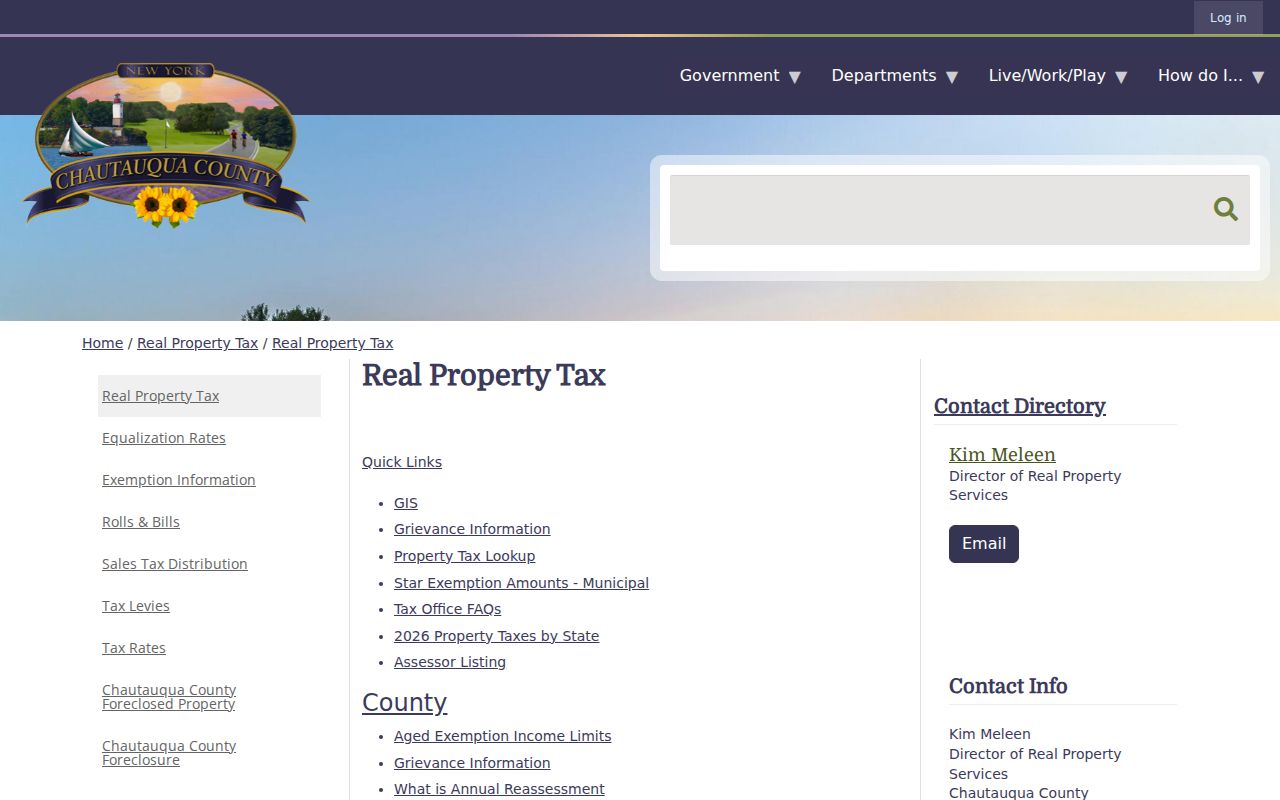
The county's Real Property Tax page links bills and annual rolls.
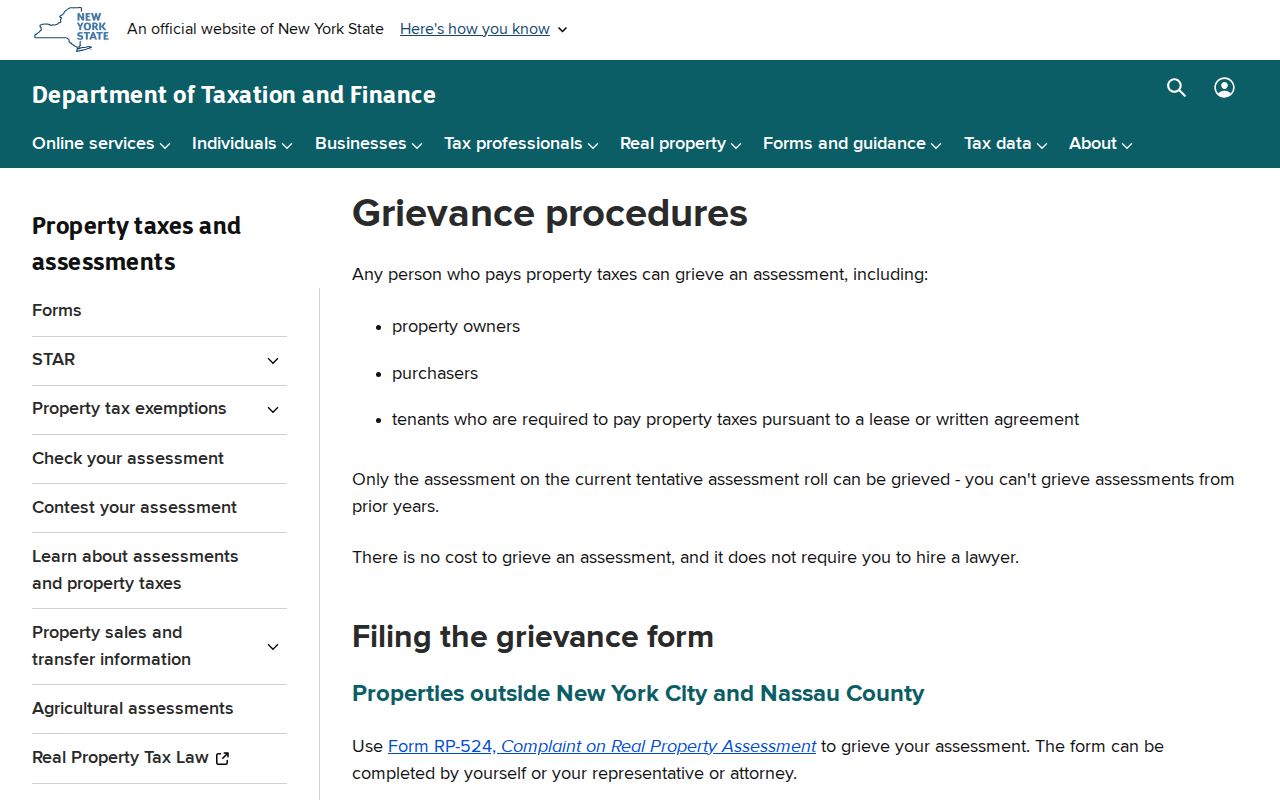
New York's RP-524 guidance maps the grievance route through the assessor and review board, while the county billing hub page anchors payment questions.
Bundle the pieces before you argue value. An assessment notice, the equalization ratio, comparable sales, and the filing deadline together make the case. The tax bill alone cannot prove unequal treatment.
Choose the Correct Chautauqua County Tax Year
Pick the right tax year before comparing anything. Chautauqua County publishes city, village and town rolls for 2010 through 2026, with tax bills for 2011 through 2026. Tentative and final rolls cover 2017 through 2026, and school material runs from 2017-18 through 2026-27. Match the record type to the year. A school bill, a municipal bill, a tentative assessment and a final roll are not interchangeable, so a current portal result never stands in for an earlier bill.
When you pull a record, note the parcel ID, municipality, owner label, property class, roll year, assessed value, exemptions, levy components, payment status and any bill number shown. The county advises contacting the Tax Department for older material. Historical assessments from 1854 through 1934 survive in the county's archival collections, so those decades are far from lost to a property search.
Two offices, two jobs. The County Tax Division manages county bills, published rolls and delinquency questions, while the local assessor handles the assessment, exemption and correction work that feeds each roll. Keeping those roles straight stops a bill question from going to the Clerk, or a valuation fix from going to the Tax Division, and keeps a Chautauqua County property records search pointed at the right desk.
Interpret Chautauqua County Assessment Fields
The GIS schema gives you three fields worth learning first: Land_AV, Total_AV, and Roll_Year. These are assessed values, built for tax administration. They are not a market appraisal. They may not even match the recorded sale price. Sale_Date and Sale_Price can sit blank. They can carry a nominal figure, or reflect a conveyance that never touched the open market.
Assessment level matters when you weigh an assessment against market evidence. New York guidance points owners to the current tentative roll and the local assessment ratio instead of the naive math of subtracting the last sale price from the assessment. The reassessment history varies by city. Jamestown shows a 2018 reassessment entry. Dunkirk lists 1997, and that older date calls for some care about city and town context. Neither date freezes an individual parcel, since assessments keep moving after reassessment cycles pass.
Exemptions change the taxable picture, and they turn on the current roll plus eligibility rules. The local assessor can tell you which exemption applies. They can also tell you which year it touches, and whether an application or renewal is due. A lower bill alone never proves an exemption exists.
Contest a Chautauqua County Assessment
Pull the tentative roll first. Verify the parcel number, the property inventory, the assessed value, and the municipality listed for the parcel. A factual error belongs with the local assessor. The assessor can correct the property records directly. If the disagreement survives that conversation, New York's RP-524 process moves the grievance to the local Board of Assessment Review. Filing windows shift with each municipality's roll calendar. Confirm the current deadline instead of borrowing one from a prior year.
Strong evidence makes the difference. A recent appraisal helps, as do comparable sales, photographs, and property-condition facts. Proof that the recorded inventory is wrong can also support the case. Be clear about the assessment level or ratio used in any comparison. The grievance itself carries no filing fee under state guidance. Pulling together an appraisal or other evidence may cost something, though.
A winning challenge fixes valuation and uniformity. It does not resolve deed ownership or a surveyed boundary line. Title questions go to the County Clerk. Boundary questions belong with the deed, plat, and survey record. Keep paying the tax bill while the challenge is pending. Alternatively, follow whatever official instructions arrive. A grievance is never proof that a bill was cancelled.
Delinquency deserves its own check. The county announced online delinquent-tax payment through Property Tax Lookup in March 2025, with card, debit, and ACH options plus a disclosed bank transaction fee. Bankruptcy parcels stay off that route. A delinquent balance alone does not mean a foreclosure is finished. Before calling a parcel foreclosed or sold, review the county offering page, the applicable notice, the court status, and any payment made after the delinquency. Record the SBL, the municipality, the liability years, and the access date alongside the result.